


From the beginning of time, humans have made use of plant fibers to create items out of necessity. These items can include anything from the clothing we wear today to the papers that we write and print on. However, while natural fibers were first used out of necessity, nowadays, we have begun using plant fibers more so due to environmental factors.
Decades ago, you would have seen an overabundance of plastics being used. The chemical treatments used to make plastic are known to be detrimental to our planet, its environment, and its inhabitants. With an increase in awareness of how important our environment is, industries are now moving away from reinforced polymer and towards natural fiber composites made using plants.
In light of plastic pollution, one such product that you will see more of now is the plant straw. In this article, we will explore what plant straws are and which eco plant fibers are used to make those plant straws.
What Are Plant Straws?
Plant straws, just as the name suggests, are drinking straws that are made using natural fibers sourced from plants. As the material used for these drinking straws is natural, plant straws are also known are biodegradable and compostable straws.
Plant straws can be made using a variety of different plants, such as bamboo fiber, wheat, sugarcane, and more. The degradation process of such straws occurs naturally just as you would observe in the biodegradation of natural plants.
Therefore, plant straws are a much more environmentally friendly and safe option in lieu of plastic straws.
Why Are Plant Straws Important For The Environment?
There is no doubt that plant straws are much more environmentally friendly than the alternative, that is, the disposable plastic straw. Although, why are they so important for the environment that a plethora of businesses are now switching over to using plant straws?
The key to the answer to this question lies in how detrimental disposable plastic straws are and how plant straws are the best alternative.
Plastic Pollution Caused By Disposable Plastic Straws
From the 1960s, plastic straws were all the rage. Not only were they available in abundance but they were cheap too. Thus, drinks all across the globe were being served with disposable plastic straws. However, it was only later on that consumers realized just how high the pollution caused by plastic straws was.
Research shows that the degradation of plastic takes approximately 200 years. This is one of the reasons why you will see our landfills being filled with plastic items, such as plastic bags and straws.
Even then, instead of the degradation process being natural, where the plastic mends with the earth, plastic straws do something different. Plastic, once it completes its degradation process, breaks down into microplastics, which then disperse all throughout the environment.
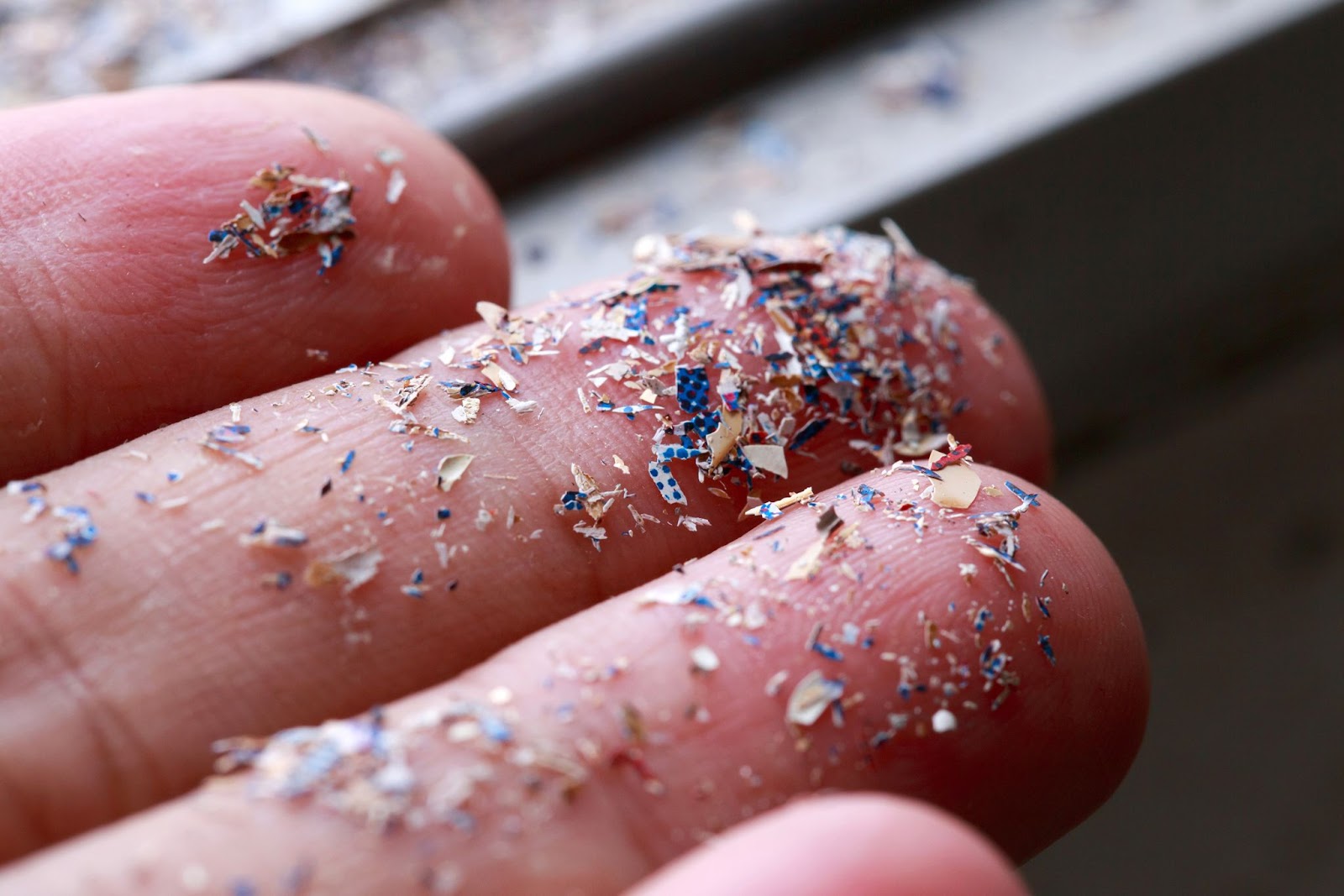
That is not all, throughout the entire degradation process, the plastic polymers, due to the chemical treatments harbor toxic chemicals. These toxic chemicals then leach themselves into the landfills the straws are accumulating in. This process on a massive scale spanning hundreds of years also harms the land and water bodies located near those landfills.
Apart from harming the surface of our planet, plastic straws are also known to harm our environment. As we all know, plastic straws require high and heavy chemical treatments. The reinforced polymer composites are produced using our natural resources, such as oil and gas.
The entire production process is known to release high levels of carbon dioxide gas into the environment. The heavy release of carbon dioxide emissions then infiltrates our ozone layer and weakens it. Therefore, the mass production of plastic throughout the decades is also a big contributor to the climate change that we see today.
The third and final entity that plastic straws and their production harms are the inhabitants of this planet, namely our marine life. Research shows that an approximate of nine million tonnes worth of plastic waste enters our water bodies on an annual basis.
Due to this high level of plastic pollution in the sea, our marine life is being harmed on a massive scale. It has been reported that 1,000,000 worth of our marine life meets their demise due to plastic pollution in the sea. The marine animals most affected are our turtles, seals, whales, seagulls, and more.
Therefore, it is easy to say that plastic is incredibly detrimental to our planet, its surface, and all those who live on it.
Plant Straws As A Great Alternative To Plastic Straws
After our review of how detrimental and harmful plastic is to the planet, we can now start to see how the alternate plant straws are important for the environment. Plant straws, unlike plastic straws, do not require high chemical treatments and processing.
As plant straws are made using plant fibers, they are much more natural than plastic straws. The eco plant fibers used to make plant straws give them biodegradable, compostable, and recyclable properties.

Therefore, no matter what type of plant straw you choose to use, whether it is made of coconut fiber, bamboo fiber, or banana fiber, your straw will biodegrade naturally. This means that the plant fiber straw will become one with the earth again and enrich it.
Therefore, businesses that use plant straws can also send them to composting facilities once they are disposed of by their customers. Plant straws can also be sent to recycling facilities as well as they are made of natural materials.
With more and more businesses switching over to plant straws, we will be able to curb the pollution created by plastic on a massive scale. It also helps that today’s consumers are much more environmentally aware of the benefits of plant straws.
Due to these factors, your business will not only help in enriching our soil but also simultaneously create goodwill with your clients. This goodwill and positive brand reputation help in creating brand loyalty.
What Are Eco Plant Fibers?
Plant straws are, without a doubt incredibly beneficial for business owners within the food industry. Of course, before you make the switch from the type of straws you are using now to plant straws, you must first know what eco plant fibers are.
In short, eco plant fibers, also known as cellulose fibers, are fibers that have been sourced from a variety of different plants. The simplest method of collecting eco plant fibers is to use a sickle on natural plants, such as filmy ferns, grass, leaves, and more.
You will find a variety of applications of plant fiber that have been extracted using these tools. These fibers are then commonly used to produce clothing, furniture, and other items.
There are a variety of different plant fibers being used to create such products. The wide variety of plant fibers can include leaf fibers, the most common of which is the sisal fiber. You will also find eco plant fibers, such as hemp fiber and coconut fiber.
While there exist a variety of different plant fibers, each used to make different items, such as furniture, not all eco plant fibers can be used to produce straws.
What Plant Straws Can Eco Plant Fibers Make?
As mentioned before, different eco plant fibers are used to make different types of products depending on their physical properties of course. Therefore, you will find only a few types of eco plant fibers used to make plant straws. This is due to the fact that these straws have to remain compliant with a myriad of regulations set by authorities, such as the FDA.
A good example of the type of plant fibers used to make plant straws is the bamboo fiber sourced from the bamboo plant. This fibre is then used to make bamboo fiber straws.
Types of Plant Straws
With all the recent developments in our manufacturing process, you will find different types of plant straws on the market today. Each with its own distinct features and characteristics. However, there are three common factors among all the different types of plant straws. They are all 100% biodegradable, compostable, and recyclable.
Bamboo Fiber Straws
Made of a Bambusoideae, which is the bamboo plant, bamboo fiber straws are a great plant straw type. However, unlike bamboo straws, which are made of the bamboo stalk, the process of making bamboo fiber straws is a bit different.
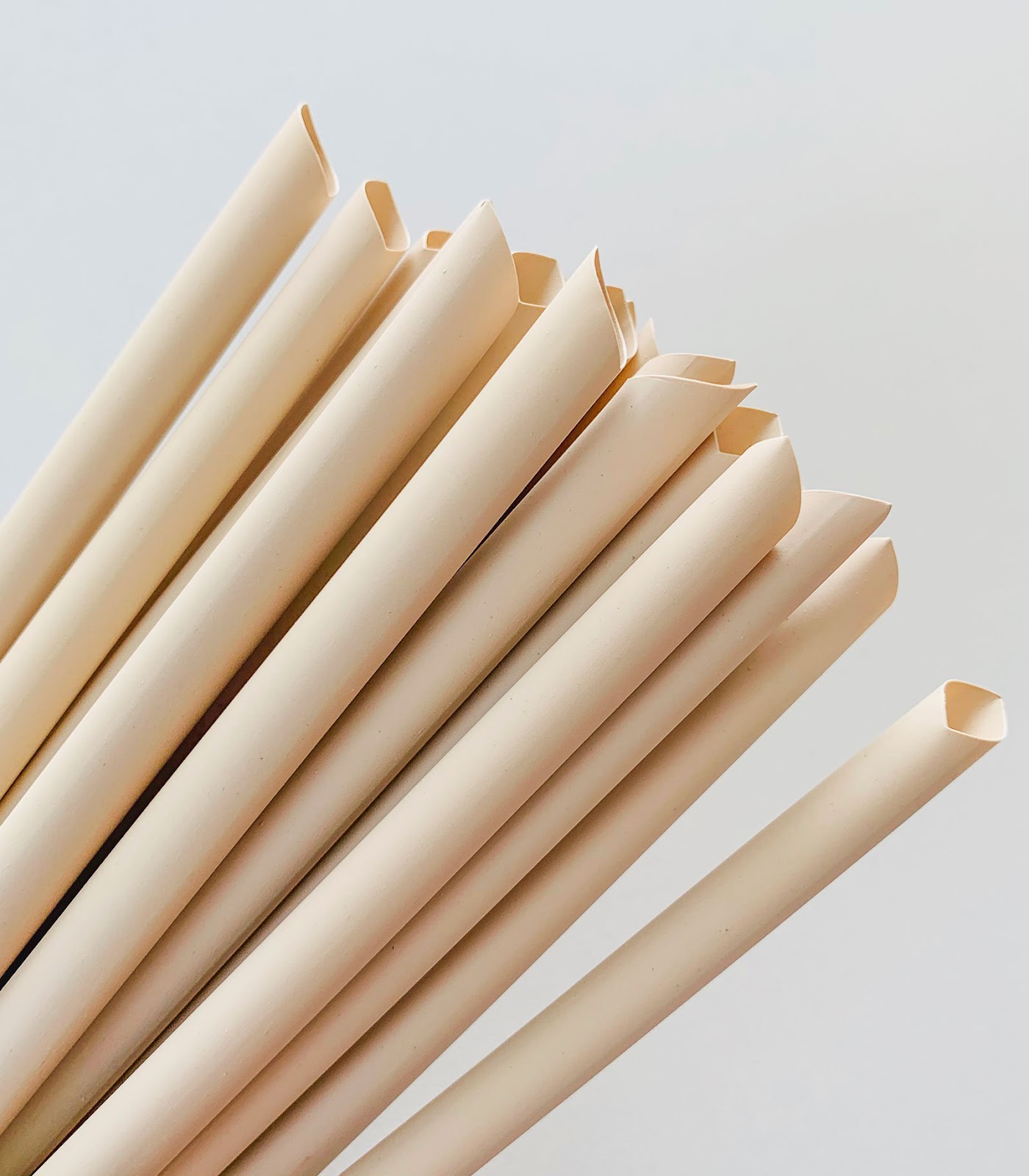
Since the bamboo fiber straw is made using natural fibers sourced from the bamboo plant, the plant is first processed to first form a powder. This powder is then put through treatment to form natural fibers, which are then used to produce bamboo fiber straws.
Due to the fact that bamboo fiber straws are made of plant fiber, they are not as robust in their usage. Therefore, they have to be disposed off after one use. However, despite bamboo fiber straws being disposable, they are known to have a long lasting shelf life.
More specifically, the shelf life of bamboo fiber straws is anywhere between 18 to 24 months. This is quite beneficial for businesses, such as restaurants, cafes, and coffee shops as they can then purchase bamboo fiber straws in bulk and store them in inventory.
Bamboo fiber straws are also quite resistant to high temperatures, where they can be placed in drinks that have temperatures as high as 80 degrees Celsius. Of course, you can also use them with incredibly cold drinks, such as slushies and cocktails.
Another great feature of the bamboo fiber straw is that they are quite moisture resistant. Through experimentation, it was found that a bamboo fiber straw is able to maintain its integrity within liquids for 24 hours. So, no matter how long your customers sit with their drinks at your food establishment, the bamboo fiber straw will not warp or break.
There is no doubt that bamboo fiber straws are great plant straws that you can purchase in bulk for your business. The best part is that once your customers are done using them, you can send them to a composting or recycling facility.
Natural Bagasse Sugarcane straws
With a composition that consists of 45 to 55% cellulose, sugarcane straws are another type of plant straw. Sugarcane straws are made using a process where the sugarcane plant is first crushed to extract the juice within. After this extraction process, the plant fibers that remain are used to create sugarcane straws.
Like all plant straws, these straws are completely biodegradable, where the degradation process is completed in 90 days. Similar to bamboo fiber straws, sugarcane straws are also disposable. However, they, too, feature a high shelf life where you can store them at room temperature for up to one year.
Sugarcane straws are quite popular at businesses, such as coffee shop as they offer a slight sweet flavor and scent. This scent pairs quite well with coffee and cocktails. This scent it quite similar to that of light brown sugar.
These straws are also resistant to moisture for up to 24 hours. Although, they are not as heat resistant as the bamboo fiber straw. You will find that sugarcane straws can only be used with hot drinks that have a temperature that goes as high as 50 degrees Celsius.
Wheat straws
Wheat straws are another great and easily accessible plant straw. The wheat straw is made of eco plant fibers which remain after the wheat plant stems have been processed.
Wheat straws are quite popular in bars as they pair quite well with cocktails. So, they can easily be used with cold drinks, which includes smoothies, juices, milk, and more. However, they can also be used with hot drinks as they have a temperature resistance of up to 80 degrees Celsius.

Once they have been used they will have to be discarded as these straws are disposable. However, as they are biodegradable and compostable, a business can easily send bulks of discarded wheat straws to industrial composting facilities.
Wheat straws are perfectly safe for anyone with food requirements, such as only intaking gluten free food and drinks.
Agave straws
Agave straws are a lesser known type of plant straw as they are fairly recent. These straws are made using agave fibers, which have mainly been discarded from tequila manufacturing facilities.

Agave straws are, of course, biodegradable, where 90% of the degradation process is completed within 100 days. They, too, have a long-lasting shelf life, that is of 300 days.
Research shows that agave fibers have a high temperature resistance to heat, where they can maintain their tensile strength in temperatures up to 220 degrees Celsius. Therefore, agave straws can easily be used in both hot and cold drinks.
Where To Purchase The Best Plant Straws From?
With more and more industrialists tapping into the plant straw market after the recent developments and changes in consumer behavior, you will find a plethora of businesses offering plant straws. However, as a business owner it is always important to find a wholesale factory that provides top quality product with the best prices and services.
That wholesale factory is, no doubt, Homestraw. Homestraw is a wholesale factory, which produces and distributes biodegradable straws, which includes straws made of natural fibre.
Homestraw offers a variety of different eco green straws, which includes bamboo fiber straws, sugarcane straws, wheat straws, coffee ground straws, paper straws, and more.
Not only do they have a great and extensive product offering but they also ensure that each of their products is of the best quality. This dedication to quality assurance has also earned them a variety of different certifications awarded to them by distinguished authorities such as the FDA, LFGB, SGS, and the ROHS.
Homestraw distributes plant straws to their clients which span across the globe, namely in the US, Europe, China, and more. The best part is that they offer incredibly efficient shipping and prices. Not only that but you can also order a sample of their products before you choose to purchase in bulk.
Final Words
In today’s climate, plant straws are an incredibly important product. These straws not only curb the pollution caused by the disposable plastic straw but also give back to the earth through their compostable properties. These compostable properties are, of course, given to them by nature as they are made of eco plant fibers.
The processing of eco plant fibers to make plant straws also does not cause as much pollution as plastic straws do. Therefore, it is highly beneficial for businesses to begin investing in plant straws for the environment.
Of course, consumer behavior also dictates that consumers gravitate towards businesses that they most relate with. Therefore, it is important for businesses to grasp this opportunity to do something good for the environment all the while creating a strong base of customers.