

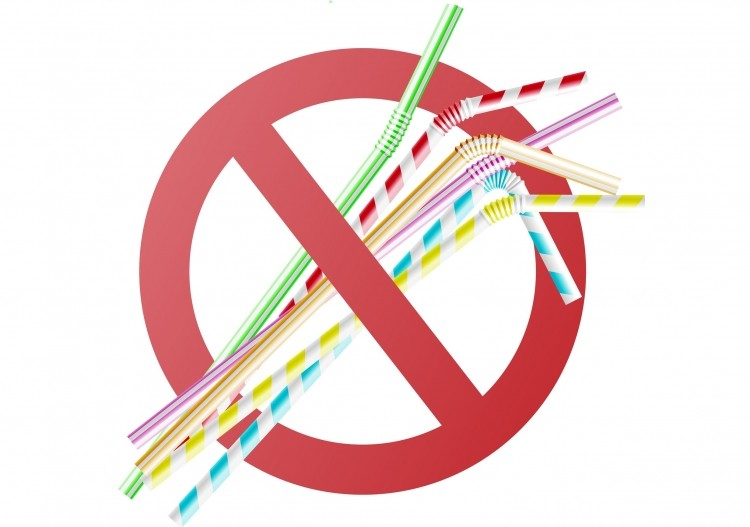
Plastic straws are among the widely used drinking straws throughout the world. Plastic material is used to manufacture this type of straw, making them hazardous to health and the environment.
Therefore, replacing them with straws with no harmful effects is recommended. There is a wide range of straws that you can use in place of plastic straws for drinking purposes. They are commonly manufactured using natural, toxin-free material.
If you need to gain knowledge about such straws, this article will give you a complete guide about alternatives to plastic straws.
What are Plastic Straws, and How are They an Arising Problem?

Plastic straws are drinking straws designed especially to serve the drinking purposes such as drinking coffee, hot and cold drinks, smoothies and beverages, etc. They are manufactured with polypropylene material is a polymer.
The presence of polymers makes them unsuitable to use for drinking. They are hazardous to health and cause land and air pollution. This danger is why their usage is banned in many countries and cities.
So, plastic straws are problematic. Some major problems that arise due to plastic straws are discussed below.
Effects of plastic straws on human health:
The use of plastic straws for drinking is not considered useful because of their bad effects on human health. A recent research conducted by Environmental Health Perspectives concluded that whenever the plastics are heated or scratched, they release chemicals into the drinks. As they contain polypropylene, these chemicals may enter your drink. As a result, they may enter your body through drink and can badly disrupt hormones, especially estrogen levels.
Effects of plastic straws on the environment:
In addition to human health, plastic straws also adversely affect the environment. The main reason behind them is that they are non-biodegradable. It means that they cannot biodegrade after their disposal. So, when you throw them away on the land, the microorganisms cannot break them into smaller pieces causing landfills. Thus, the accumulation of these straws leads to land pollution.
Moreover, these straws also pollute the surrounding environment and air. Whenever plastic straws are burned, they release harmful gases such as carbon dioxide. The release of carbon dioxide in the air is a major reason for the increase in global warming. Consequently, it plays a role in enhancing the temperature of the earth.
Effects of plastic straws on water bodies:
Plastic straws are not only causing landfills, but they are also accumulating in the water bodies due to anthropogenic activities. They contain microplastics that are released into the oceans. Fishes may ingest these microplastics as food. As a result, they may get stuck in the air passages. It causes serious injuries in fish or ultimately leads to their death. Hence, it is clear that plastic straws are fatal for the organisms in oceans, rivers, etc.
The best substitutes for plastic straws and their advantages and disadvantages

As we discussed earlier, using plastic drinking straws is threatening. Therefore they must abandon. They are only some options left to be used as drinking straws, and many other types of straws can serve the same function. They are an alternative to plastic straws with no harmful impact on the environment and human health.
You can use them regularly without any fear of health problems. They are harmless to the environment as they can biodegrade. So, they are considered biodegradable and eco-friendly. The most common alternatives to plastic drinking straws are as follows.
Bamboo straws:

Bamboo straws are lightweight, natural straws made from the stalk of the bamboo plant. They do not contain any dyes or chemicals. Being reusable, you can reuse them for drinking various types of drinks.
Advantages of bamboo straws:
The followings are the main advantages offered by bamboo straws.
- They are biodegradable so that microorganisms can easily degrade them. Eventually, they automatically avoid landfills.
- They do not release any harmful chemicals into the environment. Thus they are considered eco-friendly.
- They are compostable.
Disadvantages of bamboo straws:
The followings are the disadvantages offered by bamboo straws.
- The long-term usage of bamboo straws may result in their splintering. The splintered straws may cause mouth injury during drinking.
- They are washable but quite tough to clean because of their ability to absorb liquids.
- They are considered suitable for drinking only cold drinks.
Wheat straws:

Wheat straws are widely used in place of plastic straws. They are manufactured from pure wheat stem. The cutting of the stem is done according to the size requirement of the straw. Then, their sterilization is done with boiling water with no addition of chemicals. The resulting straws are used in different restaurants, hotels, etc., for drinking.
Advantages of wheat drinking straws:
The advantages of wheat straws are as follows.
- They are known for their sustainability and renewability. You do not need to throw them after their prolonged usage. Decompose them to use as fertilizers.
- They are strong and durable, so they cannot tolerate deformation or break.
- They are hypoallergenic, triggering no allergic reactions in their users.
- They are not moldable and are odorless.
- They are biodegradable and compostable. They are converted into compost within almost 3-6 months.
- No gluten is present in these straws. So, they are gluten-free.
- They are completely freezer and microwave safe.
Disadvantages of wheat straws:
The disadvantages of wheat straws are as follows:
- The diameter of the wheat drinking straws is small as they are made from wheat stems; therefore, they may not be suitable for drinking smoothies or concentrated drinks.
- They are not perfect straws for hot drinks because they are not resistant to heat or high temperatures. When you put them in hot drinks, they may melt. It is commonly recommended to use them for cold drinks.
- They are expensive and are available at high cost than plastic or paper straws.
Reed straws:

Reed straws are an excellent replacement for single-use plastic straws. They are manufactured with the pure stem of a reed plant which is a renewable resource. The manufacturing process of reed straw involves no addition of any extra chemicals. Thus, they are 100% natural. The Reed plant is known for sharing its properties with the bamboo plant. Thus, reed straws exhibit high strength and greater durability. These straws are ideal for frozen drinks, milkshakes, and even smoothies.
Advantages of the reed drinking straws:
The primary benefits of the reed drinking straws are mentioned below.
- Reed’s drinking straws are non-soggy. You can finish your drinks without fear of straw sogginess or deformation.
- They are made from natural resources, so they are natural and lack toxic chemicals and materials.
- They are organic so that microorganisms can easily biodegrade them on the land.
- They do not undergo deformation on exposure to high temperatures. They can bear a temperature of more than 120 Celcius.
- They do not melt, so no fibers are released in your drinks.
Disadvantages of the reed drinking straws:
Here are the common disadvantages of the reed drinking straws:
- You might need help cleaning the reed straws as they are difficult to clean.
- These straws may possess a natural pigmentation.
- You may feel a grassy taste while drinking with the reed straws.
- It is impossible to standardize these drinking straws.
Silicon straw:
Silicon straws are drinking straws that are made of silicon material. They possess a rubbery structure and therefore exhibit greater flexibility. They are available easily and in a wide range of colors. You can use them for drinking almost all types of drinks.
Advantages of silicon straws:
The followings are the main advantages of silicon straws.
- Silicon straws are soft as compared to other types of straws. Therefore, you can use them without injuring your teeth or mouth.
- You can use them for hot drinks without being soggy because they can withstand a temperature of more than 500 degrees.
- You can safely use and wash them in the dishwasher as they are safe.
Disadvantages of silicon straws:
The disadvantages of silicon straws are as follows.
- Because of greater flexibility, they can bend to a larger extent. This flexibility can deform easily by applying force.
- They could be more visually appealing.
Metal straws:

Metal straws are manufactured with different metals, such as aluminum and stainless steel. They are the perfect option for reusable straws and are used as alternatives to plastic straws. Their excellent properties make them able for long-term usage.
Advantages of metal straws:
The advantages of metal straws are explained below.
- Metal straws have high strength; therefore, they are unbreakable.
- They are reusable and can be used several times.
- They are known for having greater durability.
- Metal straws are dishwasher safe, so that you can use them in the dishwasher.
Disadvantages of the metal straws:
The disadvantages of metal straws are discussed below.
- The main drawback of metal straws is that they can transfer the temperature of the liquid to their users. If you are drinking a hot liquid with these straws, then the straws can burn your lips.
- Misuse of metal straws causes teeth chipping because of their greater hardness.
- While drinking with these straws, you may get a metallic taste.
Glass straws:
Glass straws are made from a type of glass known as borosilicate. They are reusable alternatives to plastic straws. You can use them repeatedly, and they are known for their heat-resistant and durable properties.
Advantages of glass straws:
Here are the common advantages of glass straws.
- They are dishwasher, freezer, and microwave safe.
- You can use them for all types of drinks with varying temperatures.
- They are available in different shapes and colors.
Disadvantages of glass straws:
Here are the most dominant drawbacks of glass straws.
- They can be easily breakable.
- They are not considered good for traveling use.
- They are not safe for children.
Can the use of plastic straw alternatives cause health problems?

Unlike plastic straws, other types of straws do not have greater side effects and do not badly affect your health. They are safer to use for people of all ages. But some types of these straws, such as paper straws, can be risky for your health. It is known that paper straws contain harmful chemicals that can disturb your normal health.
What are the effects of plastic straw alternatives on land and water bodies?

The plastic straw alternatives do not negatively impact the land and water bodies. As they are made of natural compounds, they do not contain any toxic chemicals.
Consequently, their breakage and burning do not release harmful chemicals into the environment. They do not play any role in increasing global warming/. Moreover, these staw are mostly biodegradable. Thus, they are broken down by microorganisms and do not contribute to landfills. As they are made of natural raw materials, they are also considered safe for water bodies and are not threatening. In short, alternative plastic straws are safe for both land and water.
How can you be aware of the people to prevent plastic straws and use the plastic straw alternative?

Nowadays, it is essential to be aware of the people with the side effects of plastic straws and to urge them to use plastic straw alternatives. You must tell the folks by informing them about the serious health hazards and plastic pollution caused by plastic straws. You must educate them through documentary films, campaigns, cleanup activities, school initiatives, etc. It will help people fully understand the drawbacks of using single-use plastic straws and the benefits of other reusable straws.
Final thoughts:
Plastic straw usage is destroying our planet and causing serious health issues. Therefore, it is recommended to ban plastic straws and use alternative straws such as bamboo, wheat, silicon straw, etc. They do not cause damage similar to plastic straws. You must be aware that people use alternative plastic straws for drinking in possible ways.