
At first glance, a straw might seem like a small and insignificant part of the coffee experience – simply a tool for sipping iced lattes or blended drinks. Yet, in the coffee industry, straws play a surprisingly influential role. From enhancing drinkability to shaping brand identity, they are far more than just plastic tubes or paper alternatives.
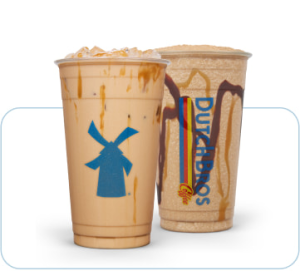
Dutch Bros, one of the most recognizable drive-thru coffee chains in the U.S., has unintentionally turned straws into a conversation piece. Customers have speculated for years about the so-called “straw code” – a rumored system where straw colors supposedly carry hidden messages. While Dutch Bros has denied any official meaning behind the colors, this myth has only added to the brand’s appeal, proving that something as simple as a straw can leave a lasting impression on customers.
Beyond Dutch Bros, straws are an essential part of coffee culture. Many customers prefer drinking their iced coffee through a straw rather than directly from a cup, and businesses have long used straws as an extension of their branding. At the same time, growing environmental concerns have pushed the industry toward more sustainable alternatives, leading to a shift in materials and design.
This article explores the functional, aesthetic, and branding significance of straws in the coffee industry. From their impact on customer experience to the transition toward eco-friendly options, we’ll examine why straws matter more than they seem – and what the future holds for this seemingly simple accessory.
The Functional Role of Straws in Coffee Shops

Straws are often seen as a simple accessory, but in the world of coffee, they serve a much larger purpose. From making drinks more convenient to shaping customer preferences, straws are an integral part of the coffee experience – especially for iced and specialty beverages. Their design, material, and functionality all influence how customers interact with their drinks, making them an essential component of any coffee shop’s service model.
Why Straws Are Essential for Iced Coffee and Specialty Drinks
For many coffee lovers, an iced latte or a blended frappe feels incomplete without a straw. This is not just a matter of habit – straws improve the drinking experience in several ways.
For example, they provide a spill-free and easy-to-sip solution, particularly for people on the go. Whether customers are commuting, working, or driving, drinking from a straw minimizes distractions and allows for controlled sips, reducing the risk of spills. In drive-thru-focused chains like Dutch Bros, straws enhance convenience by making beverages easier to enjoy while in motion.
Moreover, straws create a barrier between the mouth and the lid, reducing direct contact and promoting better hygiene. This is especially important for customers who are cautious about germs on reusable cups or who share drinks with others. In fast-paced coffee shops where cups change hands quickly, straws offer an added layer of sanitation.
Certain coffee drinks, such as iced mochas or cold brews with cream, tend to separate over time. Straws allow customers to stir and mix their drinks effortlessly, ensuring that flavors remain balanced from the first sip to the last. Without a straw, heavier ingredients may settle at the bottom, affecting taste and consistency.
The Role of Straw Design in Coffee Consumption
Not all straws are created equal. The size, shape, and material of a straw influence how a beverage is consumed and enjoyed. Coffee shops that understand these nuances can provide a better drinking experience for their customers.
Slim straws are best suited for iced coffee and cold brew, where the goal is to sip smoothly without excess liquid intake. While wide straws are essential for blended drinks and frappes, allowing for easy consumption of thick, ice-heavy beverages. And on the other hand, flexible (bendy) straws add an extra level of comfort, particularly for customers drinking from tall cups.
Dutch Bros and the Power of Straws in Branding

For most coffee chains, straws are simply a functional component of serving iced drinks. At Dutch Bros, however, straws have taken on a life of their own. Whether by design or coincidence, they have become a symbol of the brand’s playful identity and an unexpected tool for customer engagement. Through bold colors, social media buzz, and the now-infamous “straw code” rumor, Dutch Bros has shown that even the smallest detail can contribute to brand loyalty.
The Dutch Bros “Straw Code” and Its Viral Effect
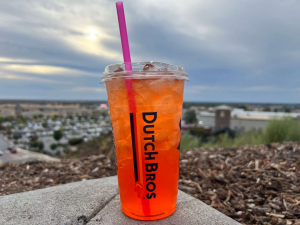
One of the most enduring myths about Dutch Bros is the straw code – a widely held belief among customers that baristas assign straw colors based on their perception of the customer. According to the rumor, a pink straw means “you’re cute,” green means “you’re unsociable,” and orange might mean “you’re annoying.” While Dutch Bros has repeatedly stated that straw colors are given out at random, this hasn’t stopped customers from analyzing, debating, and even testing whether there is any truth to the code.
From a branding perspective, the impact of this myth is remarkable. Even though it was never an official marketing strategy, it keeps people talking about Dutch Bros. Social media has played a major role in fueling the discussion, with countless TikTok videos and Reddit threads dissecting what each straw color supposedly means. This kind of organic engagement is invaluable for any brand – it turns a simple, everyday object into a conversation starter, an inside joke, and a reason for customers to come back.
The viral nature of the straw code also reinforces a sense of exclusivity and community. Those who have heard about the myth feel like they are part of a shared experience, while new customers become intrigued when they first encounter the colorful straws. Even skeptics – those who don’t believe in the straw code – still engage with the brand by discussing it. In essence, the straws have become a form of free marketing, with customers doing the work of spreading brand awareness simply by talking about their experiences.
How Dutch Bros Uses Colorful Straws as Part of Its Brand Identity
Beyond the straw code, Dutch Bros’ decision to use brightly colored straws plays an important role in shaping its brand image. Unlike many competitors, which opt for standard clear or single-color straws, Dutch Bros uses pinks, blues, yellows, greens, and oranges – each adding to the brand’s vibrant, high-energy aesthetic.
This ties directly into color psychology, which suggests that bright colors evoke feelings of fun, excitement, and youthfulness. Dutch Bros markets itself as a laid-back, community-driven brand with friendly, high-energy employees. The playful, neon-colored straws reinforce this personality, making the brand feel dynamic and engaging.
The use of multiple colors also creates a sense of variety, making each drink experience feel slightly different. A customer might order the same iced coffee every day, but receiving a different colored straw each time adds a small element of novelty. This seemingly minor detail contributes to Dutch Bros’ ability to make every visit feel unique – something that loyal customers appreciate and remember.
Dutch Bros’ brand identity is also deeply connected to social media culture, where aesthetic matters. Customers frequently post pictures of their drinks, and the bold, colorful straws stand out against plain coffee cups. This makes the drinks more visually appealing in photos and encourages user-generated content – another subtle yet powerful way that Dutch Bros keeps itself top-of-mind among customers.
Straws as a Subtle Marketing Tool
At first glance, a straw may not seem like an important marketing element, but Dutch Bros has proven otherwise. The straws serve as an additional layer of branding, reinforcing the company’s youthful, energetic image in a way that aligns perfectly with its target audience.
Many companies spend millions on advertising to make their brand more recognizable. Dutch Bros has accomplished a similar effect through something as simple as a straw. When people see a bright pink or blue straw in a drink, they often immediately associate it with Dutch Bros – even before seeing the cup or logo. That kind of instant recognition is something many brands strive for, yet Dutch Bros has achieved it effortlessly through a small but memorable design choice.
This raises an interesting question: Can other coffee chains learn from Dutch Bros’ approach? While not every company can (or should) copy the exact strategy, there are key takeaways that any coffee shop can apply:
- Small details can have a big impact. Customers notice and remember even minor design elements, from cup lids to straws. Choosing something distinctive can set a brand apart.
- Interactive branding builds loyalty. The straw code myth, whether intentional or not, created an interactive experience that kept customers engaged. Finding ways to make everyday transactions feel special can strengthen customer connections.
- Visual identity matters. Straws, like packaging and store design, are part of a brand’s overall aesthetic. Creating a visually distinctive product can make a brand more recognizable and shareable on social media.
While Dutch Bros has successfully used straws as a branding tool, the company, like many others, faces an important challenge: sustainability. As environmental concerns grow and regulations around plastic waste tighten, coffee chains must reconsider how they approach straws. The next step for brands like Dutch Bros will be finding a way to maintain their strong brand identity while transitioning to eco-friendly alternatives.
Are Other Coffee Chains Using Straws Creatively?

Straws may seem like a small detail in the coffee industry, but as Dutch Bros has demonstrated, they can serve as a powerful branding tool. While many coffee chains have historically used straws as a functional necessity, some have started to recognize their potential for enhancing customer experience, reinforcing brand identity, and even promoting sustainability.
From Starbucks’ transition away from its once-iconic green straw to smaller coffee shops incorporating reusable and branded alternatives, the role of straws in coffee marketing is evolving. The question is: Are other coffee brands leveraging straws as effectively as they could be?
Starbucks: From Green Straws to Strawless Lids
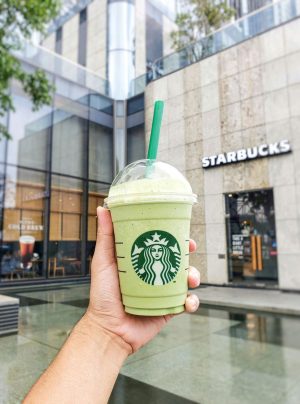
For years, Starbucks’ signature green straw was as recognizable as its mermaid logo. Customers associated it with the brand’s iced coffees, Frappuccinos, and refreshers, making it a subtle but effective marketing element. However, in 2018, Starbucks announced its plan to eliminate plastic straws globally by 2020, replacing them with strawless lids and offering alternative straw options for specific beverages.
The company’s decision was largely driven by sustainability concerns. With growing awareness of plastic waste – particularly the impact of single-use plastics on the environment – Starbucks wanted to position itself as a leader in corporate responsibility. The move was well-received by eco-conscious consumers and set a new industry standard, inspiring other major brands to rethink their reliance on plastic straws.
However, the shift also came with branding challenges. The green straw was a simple yet powerful part of Starbucks’ visual identity – it made drinks instantly recognizable, even without a logo in sight. By removing it, Starbucks lost a subtle but effective brand marker. The strawless lids, while innovative, do not offer the same aesthetic appeal or emotional connection that customers had developed with the green straw.
Smaller Chains and Independent Coffee Shops: Embracing Creative Straw Strategies
While Starbucks has moved away from straws, some smaller coffee chains and independent cafes have taken a different approach – using straws as a creative branding tool.
Reusable and Sustainable Straws as a Loyalty Incentive
One emerging trend among independent coffee shops is offering branded reusable straws as part of a loyalty program. Customers who bring their own metal, bamboo, or silicone straw receive discounts or rewards points, encouraging repeat visits. This approach not only reduces plastic waste but also turns the straw into a marketing tool – every time a customer reuses the branded straw, they reinforce their connection to the coffee shop.
For example, some eco-conscious cafes sell engraved stainless steel straws with their logo or tagline, effectively turning them into miniature, reusable billboards. Others package their drinks with compostable straws in custom-printed wrappers, ensuring their branding is still visible even as they shift toward sustainability.
Personalized and Themed Straws
Some coffee shops have taken customization a step further by offering seasonal or themed straws. A limited-edition pink straw for Valentine’s Day, a black-and-orange striped straw for Halloween, or a gold straw for a premium menu item can make a drink feel more special. This approach taps into the growing trend of Instagram-worthy beverages, where the presentation of a drink is just as important as its taste.
Larger regional coffee chains have also experimented with custom-printed paper straws featuring their brand colors or logos. This allows them to maintain an eco-friendly image while still making their drinks stand out. Although paper straws have received mixed reviews from customers due to their tendency to break down in drinks, innovations in coated, more durable paper straws could make them a long-term branding solution.
The Growing Demand for Sustainable Straws in the Coffee Industry

In recent years, the coffee industry has undergone a significant shift in its approach to straws. Once considered a minor detail in beverage service, straws have become a symbol of sustainability efforts, sparking conversations about plastic waste, government regulations, and the responsibility of businesses to minimize their environmental impact.
With plastic straws contributing to pollution in oceans and landfills, many coffee chains and independent shops are reevaluating their choices and seeking alternatives that align with both sustainability goals and customer expectations. However, the transition isn’t as simple as just replacing one material with another – factors like cost, durability, and customer experience all play a role.
So why is the industry moving away from single-use plastic straws? And more importantly, what are the best eco-friendly alternatives that coffee businesses can adopt?
Why the Coffee Industry is Moving Away from Plastic Straws
Plastic straws have long been a standard in the coffee industry, offering convenience for iced drinks, blended beverages, and cold brews. However, their widespread use has come at a cost.
1. Environmental Concerns and the Impact of Plastic Waste
One of the primary drivers of the shift away from plastic straws is their environmental impact. Plastic straws are non-biodegradable, meaning they break down into tiny microplastics that persist in the environment for centuries. According to environmental studies, millions of plastic straws end up in oceans each year, harming marine life and contributing to the global plastic waste crisis.
Because of their small size and lightweight nature, plastic straws often evade recycling systems, leading them to accumulate in landfills or waterways. High-profile campaigns, such as viral images of sea turtles with straws lodged in their noses, have further fueled public concern and pressured businesses to take action.
2. Government Regulations and Plastic Straw Bans
Recognizing the severity of the problem, governments worldwide have started implementing plastic straw bans. Cities like Seattle, New York, and San Francisco have led the way in the U.S., while countries such as Canada and the United Kingdom have introduced legislation restricting the use of single-use plastics, including straws.
For coffee businesses, this means that adapting to sustainable alternatives isn’t just a choice – it’s a necessity to comply with evolving regulations. Companies that proactively transition to eco-friendly straws stay ahead of the curve and demonstrate corporate responsibility, which resonates with environmentally conscious consumers.
3. Changing Consumer Preferences and the Demand for Sustainability
Today’s consumers – particularly younger generations – prioritize sustainability when choosing where to spend their money. Studies show that nearly 75% of millennials and Gen Z customers prefer to support brands that align with their values, and environmental responsibility ranks high on their list of concerns.
For coffee shops, failing to offer sustainable straw options can create a negative brand perception, while actively promoting eco-friendly alternatives can enhance customer loyalty. By embracing sustainable solutions, coffee chains not only reduce their environmental footprint but also strengthen their reputation as forward-thinking, ethical businesses.
What Are the Best Alternatives to Plastic Straws?
While the need for sustainable straws is clear, finding the right replacement isn’t always straightforward. Not all alternatives are created equal, and coffee businesses must consider durability, customer experience, and cost-effectiveness when making the switch.
1. Paper Straws: A Popular but Problematic Option
Paper straws have become one of the most common replacements for plastic, primarily because they are biodegradable and compostable. Many large coffee chains, including Starbucks and McDonald’s, have adopted paper straws to comply with plastic bans. However, paper straws can get soggy
2. PLA (Biodegradable Plastic) Straws: Are They Truly Compostable?
PLA (polylactic acid) straws, made from corn-based bioplastics, have gained popularity as an eco-friendly alternative. They look and feel like plastic but are marketed as compostable. However, the reality is more complex. PLA straws require industrial composting facilities to break down properly, meaning they won’t decompose in regular landfills or oceans. If not disposed of correctly, PLA straws can persist in the environment just like traditional plastic, making them a less-than-perfect solution.
3. Metal and Silicone Straws: Are They Practical for Coffee Shops?
Reusable straws, such as those made from stainless steel, silicone, or glass, offer a long-term sustainable solution. Many eco-conscious consumers have adopted personal reusable straws to minimize waste.
However, these options come with practical challenges for coffee businesses:
- Hygiene concerns: Reusable straws require thorough cleaning, making them impractical for large-scale beverage service.
- Cost: Providing free reusable straws is financially unfeasible for most coffee shops.
- Customer convenience: Many customers forget to bring their own reusable straws, making them an unreliable solution for daily coffee purchases.
Despite these challenges, some coffee shops sell branded reusable straws as merchandise or loyalty incentives, offering customers a sustainable option while promoting their brand.
4. Home Straw’s Eco-Friendly Alternatives: Best Solution
For coffee shops looking for a balance between sustainability, durability, and customer experience, Home Straw offers an innovative approach to eco-friendly straws.
Home Straw’s products are designed to:
✅ Be biodegradable and compostable – breaking down naturally without harming the environment.
✅ Offer durability – ensuring they don’t fall apart in drinks like paper straws.
✅ Enhance the customer experience – providing a smooth, enjoyable drinking experience without altering the taste of coffee.
✅ Be customizable – allowing coffee businesses to brand their sustainable straws, maintaining strong visual identity while going green.
By choosing Home Straw’s sustainable solutions, coffee businesses can transition away from plastic without sacrificing quality or branding.
Conclusion
Straws are more than just drink accessories – they play a crucial role in customer experience, branding, and sustainability in the coffee industry. As businesses move away from plastic, choosing the right eco-friendly alternative is essential to maintaining both functionality and brand identity. With growing consumer demand for sustainability, coffee chains must embrace creative and environmentally responsible straw solutions that enhance their offerings without compromising on quality.
Home Straw provides the perfect balance of sustainability, durability, and branding. With customizable options, wholesale pricing, and eco-friendly certifications, our high-quality straws help coffee shops make a positive environmental impact while reinforcing their brand identity. Ready to make the switch? Visit Home Straw today to explore our sustainable straw solutions and take your coffee business to the next level.