
What are Plant Fibers and Their Types?
The natural fibers obtained from nature, e.g., animals and plants, are known as natural fibers. Plant fiber is a natural fiber. Plant fiber is formed of thin, continuous, elongated strands, mostly sclerenchyma cells with very tough cell walls, with organized structures. There is a long history of plant fiber can use in the past.
Plant fibers are used in paper making, textiles, and composite. The plant fiber is renewable and eco-friendly. It is biodegradable because, after use, the material is biodegradable and returned to the soil without any harm because, after the decomposition, it increases soil fertility.
Types of Plant Fibers:

There are four types of plant fibers:
1-Basalt fiber or skin fiber: It is obtained from the inner bark of a plant, mostly known as bast fiber which surrounds the stem of certain plants, supports the conductive tissues, and gives strength to the stem, for example, hemp.
2-Leaf fibers: The leaf fiber is obtained from fleshy leafs such as agave and the leaf of pineapples. The fibers from leaves are also known as hard fibers used for leathers and cordages. Due to their high lignin content, these are the toughest plant fibers.
3-Seeds and fruit fibers: The fibers obtained from seeds and fruits. These fibers are attached to hairs or in a fibrous husk, like cotton, kapok, coir, etc.
4-Wood fibers: wood fibers are extracted from the wood of trees, grasses, and Bamboo. These fibers need more processes to become soft and fiber. Some natural fibers undergo chemical processing to obtain the fiber strands from them.

What are Plant Fiber Sources, and Why Do You Need to Know about Plant Fiber Products?

Everybody needs to know the benefits of plant fibers and their use. The plant fibers are biodegradable after use; they return to the soil, where bacteria decompose and add nutrients to the soil. As a result, soil fertility is enhanced in the case of other fibers made of plastic and other material that are not eco-friendly and harmful to our environment. For example, Bamboo fiber straws, plates, and spoons are used, which are very eco-friendly.
Sources:Natural fibers are obtained from various types of plants and their parts, such as:
Seeds: Milkweed, cotton, and kapok
Stems: Jute, kenaf, nettle, flax, ramie, and Bamboo.
Leafs: Manila, Abaca and sisal.
Fruit: Coir
What are the Properties of Plant Fiber Products?

Cotton (seed fiber):
Seed fiber doesn’t break easily and has 20% wet strength. They can become easily dyeable and degradable. Examples of products are medical bandages and garments.
Kapok (seed fiber):
Kapok is an organic seed fiber that contains cellulose, hemicellulose, and lignin. Kapok fiber does not collapse like cotton. Its fiber is different from the fibers of other plants. Kapok fiber has the ability of liquid retention.
Bast fiber (stem fiber):
Bast fiber is obtained from the stems of plants such as Ramie, flax, jute, and hemp. The bast fiber is used in textiles, as eco-friendly composites, building materials, food, cosmetics, and medicines.
Jute fiber (stem fiber)
Jute fiber can obtain from the stem of the white jute plant. It is durable, eco-friendly, and antistatic. Jute has resistance against bleaching and is antibacterial.
Products: Building materials, garments, and chipboards.
Hemp:
Hemp fiber is a bast fiber that grows to a height of 4m. It contains cellulose, hemicellulose, pectin, and lignin. Hemp fiber is used to manufacture building materials, isolation materials, and paper-making.
Ramie:
Ramie fiber is obtained from the stem of the plant Boehmerica Nivea. The chemical composition of the ramie fiber is lignin, cellulose, hemicellulose, and pectin. It has strong antibacterial properties. Ramie fiber is used in medical bandages.
What are Plant Fiber Products, and What is the Importance of Plant Fiber Products?
Plant Fiber
Bamboo is commonly used in agriculture, paper making, furniture, and handicrafts. The length of Bamboo is 2mm, and used in the manufacturing of textile products. Bamboo grass grows very fast, and its fiber is environmentally friendly.
Introduction of Bamboo Fiber Straws

Bamboo fiber has thick cellulose, which is a perfect biodegradable fiber. It is used to make textile materials and contains heavy-strength bamboo fiber straws. It is prepared by hydrolysis and chemical treatment of bamboo pulp. There are micro gaps in the bamboo fiber that make it more soft and more absorption of water.
Properties:
- Bamboo fiber is eco-friendly
- Hygroscopic & Antibacterial
- Natural Deodorizer
- Resistance against UV light
- Hypoallergenic & More durable, tough, and stable
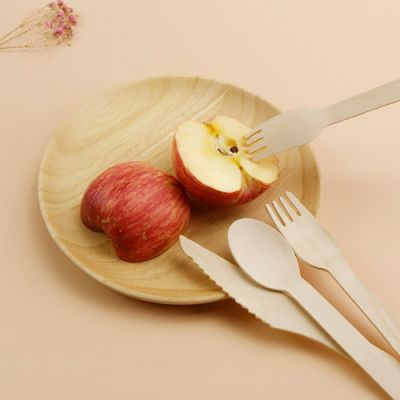
Introduction of Bamboo Fiber Knife, Fork, and Spoon
Cooking and eating in bamboo fiber utensils are safe and you can use these products for the entire family members. According to the Netherlands Nutrition report, the product manufactured with 100% bamboo fiber are safe to use but there should be no mixing of other harmful materials like melamine and plastic. so you should keep in mind to check the product appearance before buying bamboo fiber knives, forks and spoons, and anything made with bamboo fiber. these products should have clearly visible wood structures and not have a dull and matte appearance. therefore always purchase products made with bamboo fiber from an authentic manufacturing company to keep you and your family safe.
Introduction of Bamboo Fiber Plates
Bamboo fiber plates are lightweight and can serve for eating all kinds of food such as rice, salads, pasta, or fruits. you can buy these plates in different sizes from small, medium to large sizes and in different styles and colors to make a good addition to your kitchenware.
Importance of Bamboo Fiber Straws
Bamboo fiber straws are the best alternative to reusable straws and have lots of health advantages which makes these straws the best to use even though they are disposable and can not use a second time. When we compare price and health-related concerns we have found bamboo fiber straws better to use because they are made of high-quality safe material and can use for cocktail parties, birthday celebrations, and beach enjoyment.
While the cleaning and cost of reusable straws are much more and can not assure 100% hygienic and healthy benefits after their use. Then why we should consider reusable straws with lots of health problems and endanger of harmful chemicals that can leach into our drinks? Purchase bamboo fiber straws with 100% satisfaction and health guaranteed.
Importance of Bamboo Fiber Knives, Forks, and Spoons
Using bamboo fiber knives, forks, and spoons is safe for all people, and you can use them because they are 100% organic, non-toxic, durable, and aesthetically pleasing. So why should you not use these products with lots of health advantages? These products are no less than other products we are using for kitchenware. So buy and use a bamboo fiber knife, fork, and spoon confidently and enjoy a lovely and healthy feeling of eating and drinking.
Importance of Bamboo Fiber Plates
Bamboo fiber plates are safe to use for meals as they do not leach any chemical and toxic elements into our food. These plates are environmentally friendly and manufactured with natural and sustainable materials. Therefore the use of bamboo fiber plates is 100% secure and a great choice for your family.
How do Plant Fiber Products Help the Environment?

Plant products are eco-friendly, and it is because the products that are composed of plant fibers can be easily decomposed and returned to the environment without any harm to the surroundings. Using plant fiber in daily life reduces pollution and keeps the environment clean.
Plant fiber products can enhance soil fertility because they are organic. After their use, the plant fiber waste returns to soil bacteria that can easily decompose. During their decomposition, the bonds present between carbon and hydrogen is broken down by soil bacteria, and energy is released. All material is added to the soil again.
These decomposers add nutrients to the soil during the breakdown of organic material, such as plant fiber. Hence the soil fertility is enhanced. The environment remains clean, and plant fiber waste is utilized as a fertilizer for the soil. People should know about the importance of plant fiber products.
Can Plant Fiber Products Reduce Plastic Pollution?

Plant fibers are interesting for researchers and scientists due to their significance and high strength with low cost. Plant fibers are non-corrosive, renewable, and contain degradable traits compared to plastic. Plastic is non-biodegradable and causes pollution in the environment. Many plastic products are used daily and can be replaced by plant fibers. Such as, local vendors use plastic bags to pack things, and they can use plant leaves.
Banana leaves are big and can be used to wrap things. Bamboo fiber straws can use for various drinks. Bamboo plates and spoons can use instead of plastic and disposable things. Plastic and disposable things enhance environmental pollution because plastic and disposable are non-biodegradable, and plant fiber is biodegradable and easily decomposed by soil bacteria.
Plastic cannot easily decompose. It can stay for a long time in the environment, even in water. It doesn’t get decomposed and causes pollution in land and water. However, natural fibers contain poor water-repellent traits with less durability than plastic. There are huge concentrations of natural fibers available in nature. Natural fibers have been used by people throughout the past and recent years.
Are Plant Fiber Products Safe to Use?

Natural fibers are not man-made. They are chemical-free. Natural fibers are manufactured from plants such as hemp, kenaf, Bamboo, jute, flax, coir, sisal, cotton, palm, and banana. Natural fibers are of many types stem fibers, hemp, flax, sisal, and kapok. Natural fiber has been cultivated for non-structural applications used in housing and roof materials.
There is a huge variation found in natural fibers. The use natural fibers are safe to use for people. Plant fibers such as bamboo manufacture biodegradable straws, spoons, plates, and many other common daily materials. These plant fibers are antibacterial.
All the products that are obtained from plant fibers are safe for children, adults, and as well as for our environment. Plastic products cannot be easily degradable and non-sustainable during high temperatures. After their utilization, plastic products cause pollution in the environment, but the products form then plant fibers are eco-friendly and easily biodegradable.
Advantages and Disadvantages of Plant Fiber Products
Plant fiber products offer great health benefits to their users. Some of the main plant fiber products and their advantages are as under
Advantages of Bamboo Biber Straw
Bamboo fiber straws are 100% safe for hot and cold beverages and can easily decompose, so they do not add any pollution to the environment. These straws do not prove dangerous for wildlife and human beings. They are durable and do not become soggy while dipping in liquid for a long time.
Advantages of Bamboo Fiber Knife, Fork, and Spoon
Bamboo fiber knives, forks, and spoons are safe and help reduce carbon footprint. These products are eco-friendly because they are biodegradable and have no harmful impacts because they are created from natural resources such as plant fiber, so they easily decompose.
Bamboo fiber knives, forks,s and spoons can break down easily into natural molecules due to their natural manufacturing material and do not take much time to decompose like plastic products. Therefore, using these products is better than choosing plastic and other chemicals.
Advantages of Bamboo Fiber Plate
The application of bamboo fiber plates is helpful due to their convenient disposal and recycling features. There is no fear of leaking harmful chemicals while eating these bamboo fiber plates. So adopting and switching towards bamboo fiber plates is a good choice because the used material is recyclable, toxin-free, and a good alternative to single-use plastic products. Plastic and other metals started to infuse a chemical into the food, making food poisonous. These plates can last longer than other disposable plates, and you can use these bamboo fiber plates for 5-6 months.
Disadvantages of Some Plant Fiber Products:
One drawback of bamboo fiber straws is that they are disposable, and we can’t use them again like reusable straws.
Disadvantages of bamboo fiber knife, fork, and spoon
Although bamboo fiber knives, spoons, and forks have lots of health benefits, these products become unhealthy when some inexpert manufacturers try to make products using bamboo powder and melamine. Melamine is not good for health so it can be dangerous.
It is a plastic type used in reusable products such as cups, plates, and utensils, and when we use products manufactured with melamine in the microwave, they become dangerous for health.
So the use of bamboo powder or bamboo fiber products is not unhealthy. The wrong way of manufacturing makes them unhealthy. So it is essential to buy these products from an expert and experienced manufacturer who knows how to make the best and most healthy products with safe and FDA-approved material.
Disadvantages of Bamboo Fiber Plate
Bamboo fiber plate is safe to use but cannot bear high temperature, so these plates cannot be used in an oven. So you have to make sure not to use these plates for very hot serving food.
Where to Buy Plant Fiber Products?

Many companies work in the market where you can buy plant fiber products and plant fibers. You can buy plant fiber and plant fiber products according to your need.
For example, if you want to buy bamboo products such as bamboo fiber plates, spoons, straws, etc., some brands that are available in the market as wholesale dealers, many companies in China, Korea, India, and Japan work as wholesale dealers of plant fiber products. These plant fiber products are also available online to order your required product.
Plant fiber is easily available in the environment at a low cost. Natural fibers are considered a replacement for man-made fibers due to their various benefits and low cost.
Conclusion
Plant fiber is a complex organic matter made of cellulose and lignin. Plant fiber is obtained from different plant parts, such as leaves, stems, fruits, and seeds. The length of the fiber depends on the location of the fiber present in the plant.
The fiber from fruit and seed is not much longer, but the fibers from stems are long. The products obtained from the plant fibers are biodegradable and sustainable compared to other materials.
These plant fiber products, including straws, spoons, plates, garments, etc., are renewable and returned to the environment but do not cause environmental pollution and are eco-friendly. The plant fiber products are easily decomposed by bacteria, adding nutrients to the soil.